- May 25
Creating Space for Better Choices, Recovery, and Real-Life Success
Distance Is Not Failure
One of the most common things I hear from overwhelmed dog owners is:
“I feel like I’m avoiding the problem.”
They cross the street when another dog appears.
They leave crowded places early.
They skip events their dog struggles with.
They create distance from distractions, triggers, or overwhelming environments.
And somewhere along the way, many people were taught that this means they’re failing.
That if they were doing things “right,” their dog should simply learn to handle it.
But here’s the truth:
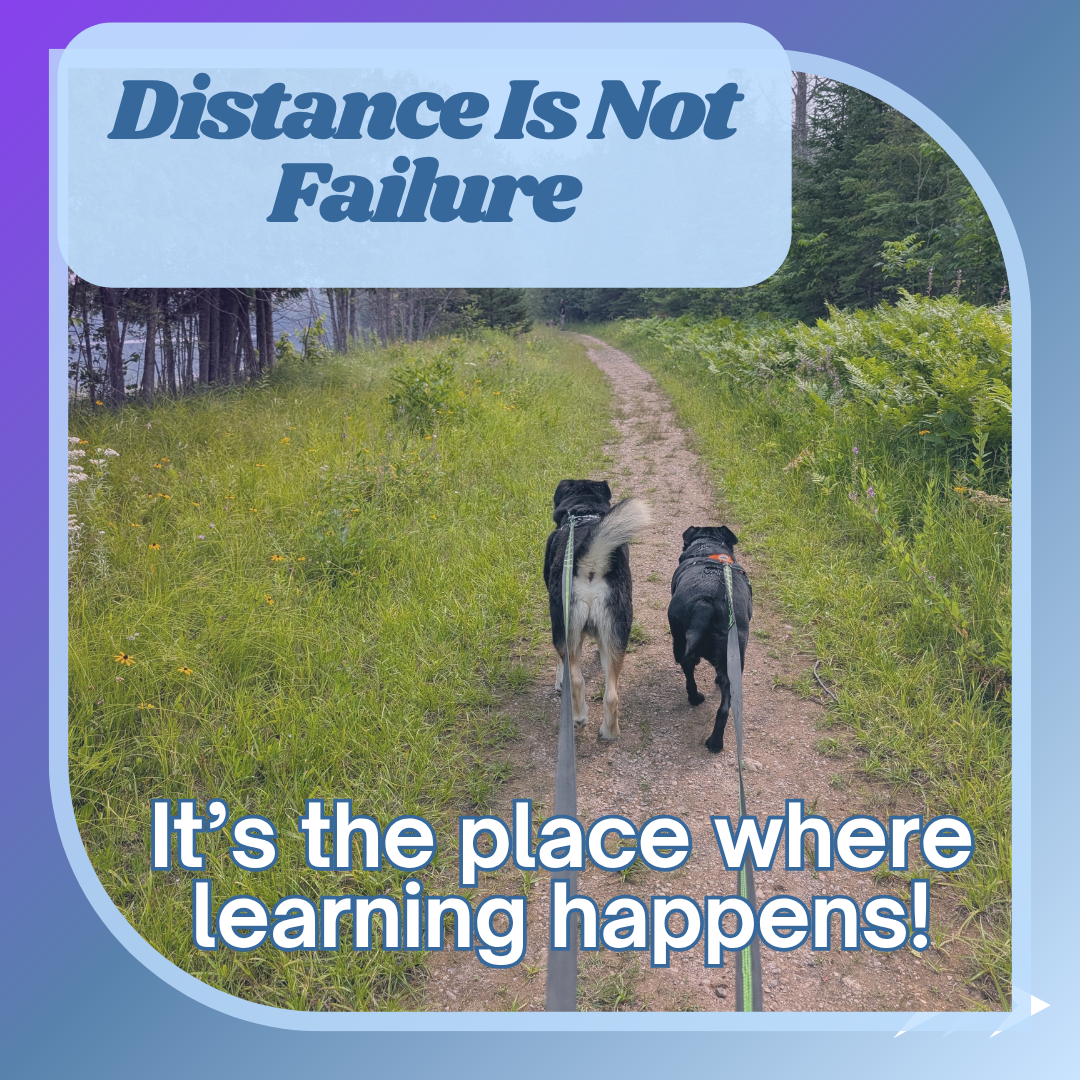
Distance is not failure.
In many cases, distance is exactly what allows learning, safety, and long-term success to happen.
Crack the Code Behind Behavior
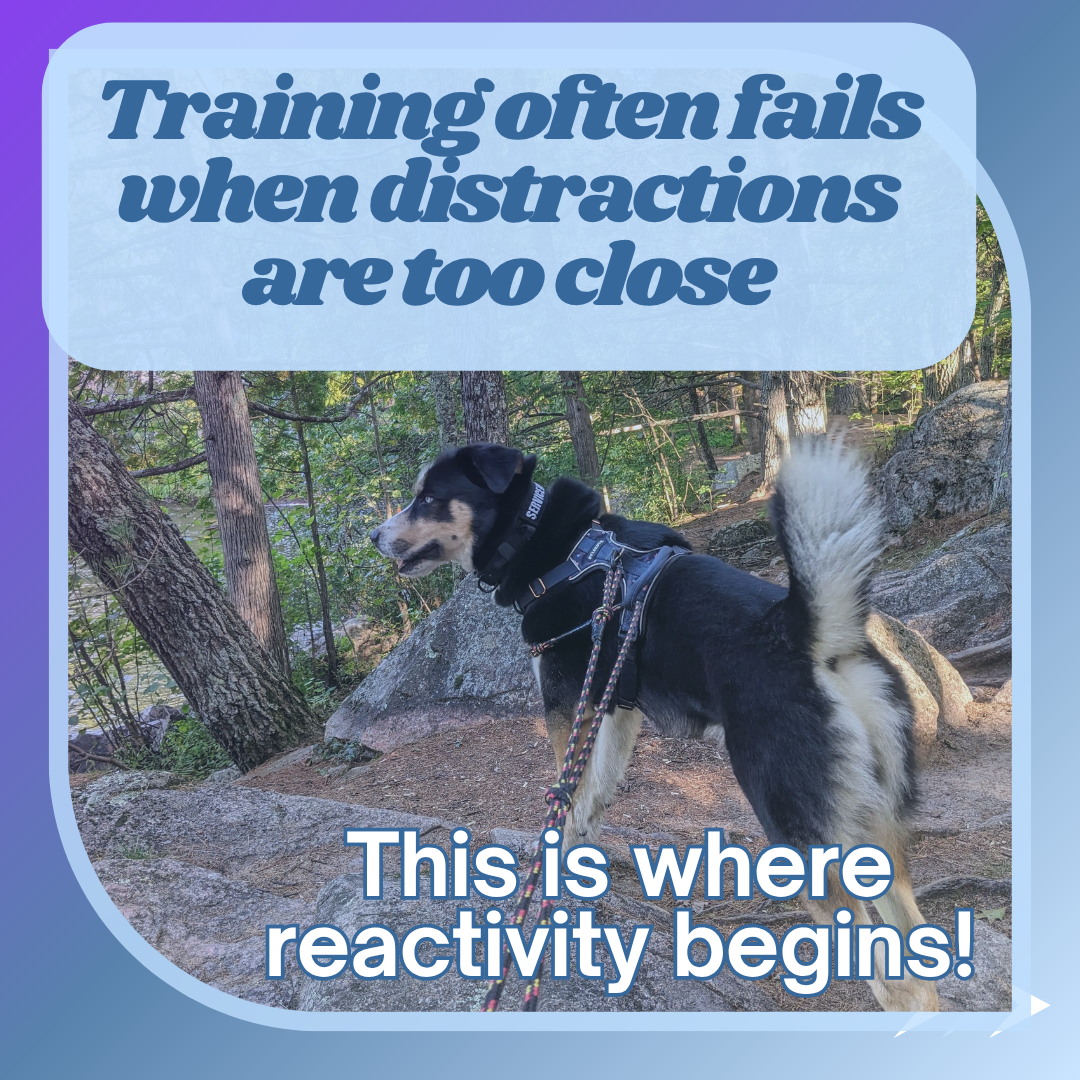
When dogs become overwhelmed, over-aroused, fearful, frustrated, or overstimulated, their nervous system shifts into survival mode. And “survival brain” doesn’t make thoughtful choices, it reacts with what the animal believes will save their life.
That’s why dogs who:
know cues at home,
respond beautifully in low-pressure settings,
or seem “perfect” one moment…
…may suddenly struggle when distractions, triggers, stress, or pressure increase.
This isn’t stubbornness. This is information.
And when we learn to step back and become a Behavior Detective, we start to Crack the Code behind what our dogs are actually communicating.
Distance Creates Access to the Thinking Brain
One of the kindest and most effective things we can do for our dogs is create enough space for them to stay connected to their thinking brain.
That may mean:
crossing the street,
moving farther away from another dog,
shortening an outing,
using visual barriers,
choosing quieter environments,
or allowing more recovery time between experiences.
Not because we’re “giving in.”
But because learning happens best when the dog feels safe enough to process what’s happening. This is where both CAKES and SAFE come together beautifully.
CAKES: A More Supportive Way Forward
Compassion
Compassion reminds us that struggling is not the same as failing.
Your dog is not trying to make your life harder.
They may simply be telling you: “This is too much for me right now.”
Awareness
Awareness helps us notice:
when our dog is becoming overwhelmed,
when focus is fading,
when the environment is too difficult,
or when distance needs to increase.
Small changes matter. And when we pay attention early, we can support before the reaction happens.
Knowledge
Knowledge helps us understand something incredibly important:
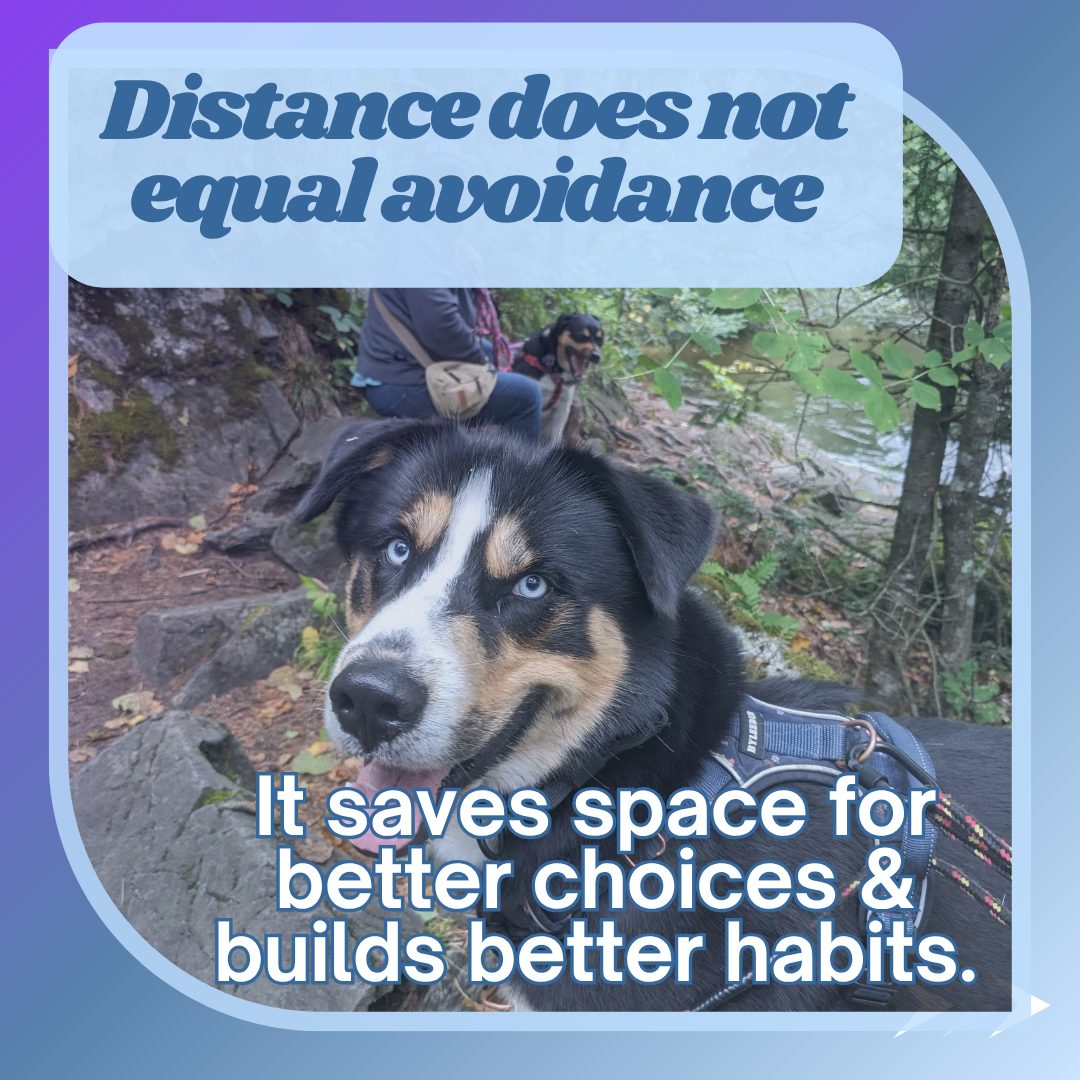
Avoidance and purposeful distance are not the same thing.
Avoidance becomes a problem when it completely prevents learning forever. Purposeful distance, however, creates the opportunity for successful learning experiences.
It helps dogs:
stay engaged,
practice better choices,
build confidence,
and experience success instead of repeated overwhelm.
That’s not failure. That’s strategy!
Empathy
Empathy asks us to consider the experience from the dog’s perspective.
If the environment feels too intense…
If the trigger feels too close…
If the nervous system feels overloaded…
Would pushing harder actually help? Or would support create a better outcome?
Support
Support means adjusting the plan instead of forcing the moment.
Sometimes support looks like:
increasing distance,
lowering expectations,
simplifying the task,
ending early,
or allowing recovery after a difficult experience.
Support creates safety. And safety is where learning grows.
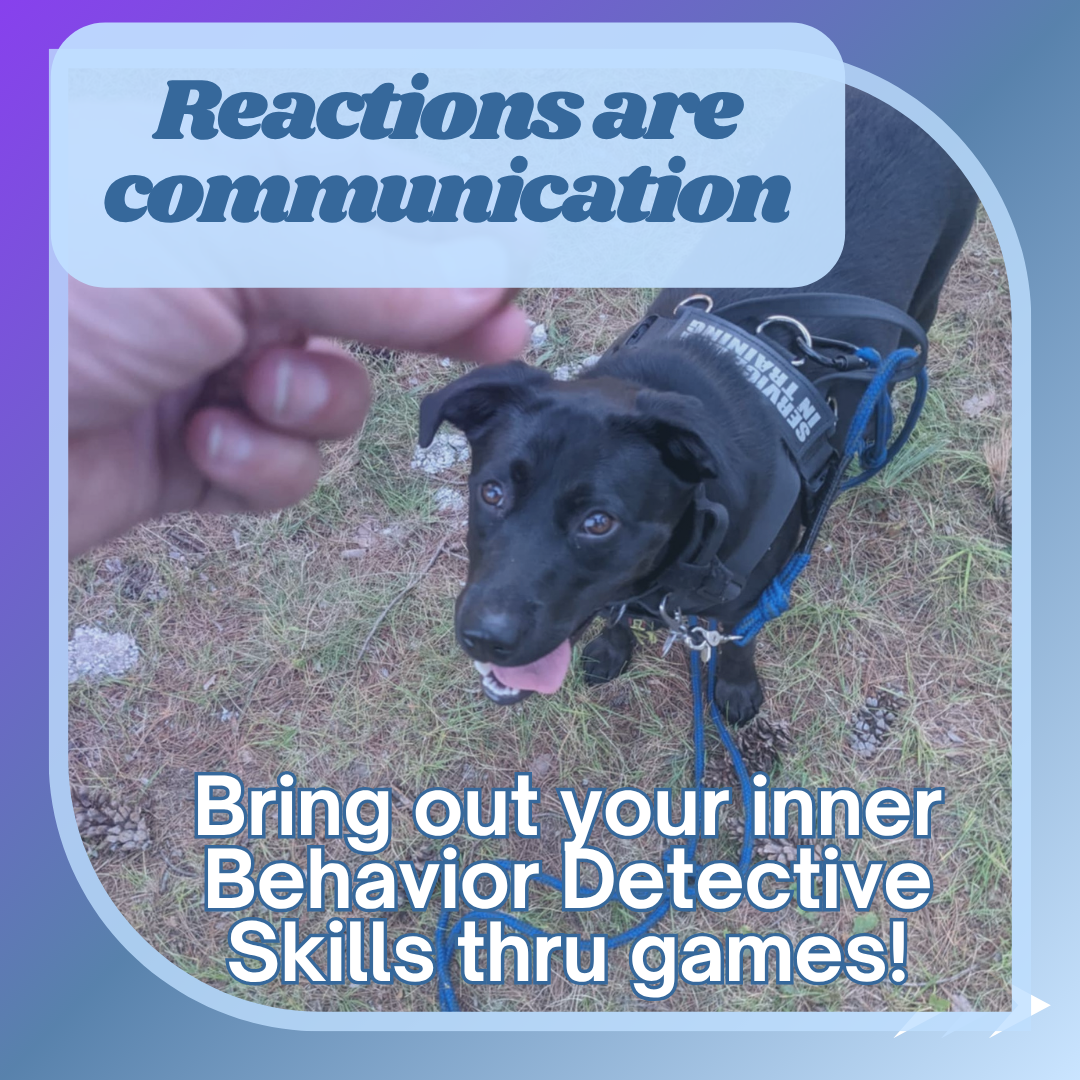
Bring out your inner Behavior Detective with our new "Crack the Code - Games Starter Pack"
Unlocking the SAFE Keys to Success
The SAFE Framework gives us another way to understand why distance matters.
Security: Dogs learn better when they feel safe.
Distance can help reduce stress, pressure, and emotional overload so the nervous system can settle enough to think.
Attachment: When we respond thoughtfully instead of forcefully, we strengthen trust.
Our dogs learn: “My human listens when I’m struggling.”
That relationship matters.
Function: Behavior serves a purpose.
Reactions are communication; not proof that your dog is “bad” or that training failed.
When we become curious instead of frustrated, we start to understand the function behind the behavior.
Environment: Changes behavior.
Sometimes the environment is simply too difficult right now. That doesn’t mean your dog will never succeed there.
It means we may need to:
adjust distance,
change intensity,
build skills gradually,
and create more successful experiences first.
A Reaction Is Not Failure
This may be one of the most important mindset shifts of all. A reaction is not proof that your dog is broken, you ruined your progress, or the training isn’t working. A reaction is communication.
It tells us:
the trigger was too close,
the environment was too difficult,
recovery was incomplete,
or the dog needed more support at that moment.
That information matters! Because when we stop treating reactions like failure, we can start learning from them instead.
Recovery Is Part of the Plan
Many people focus only on preventing reactions, but recovery matters too.
How quickly can your dog:
reconnect,
re-engage,
decompress,
and return to a calmer state?
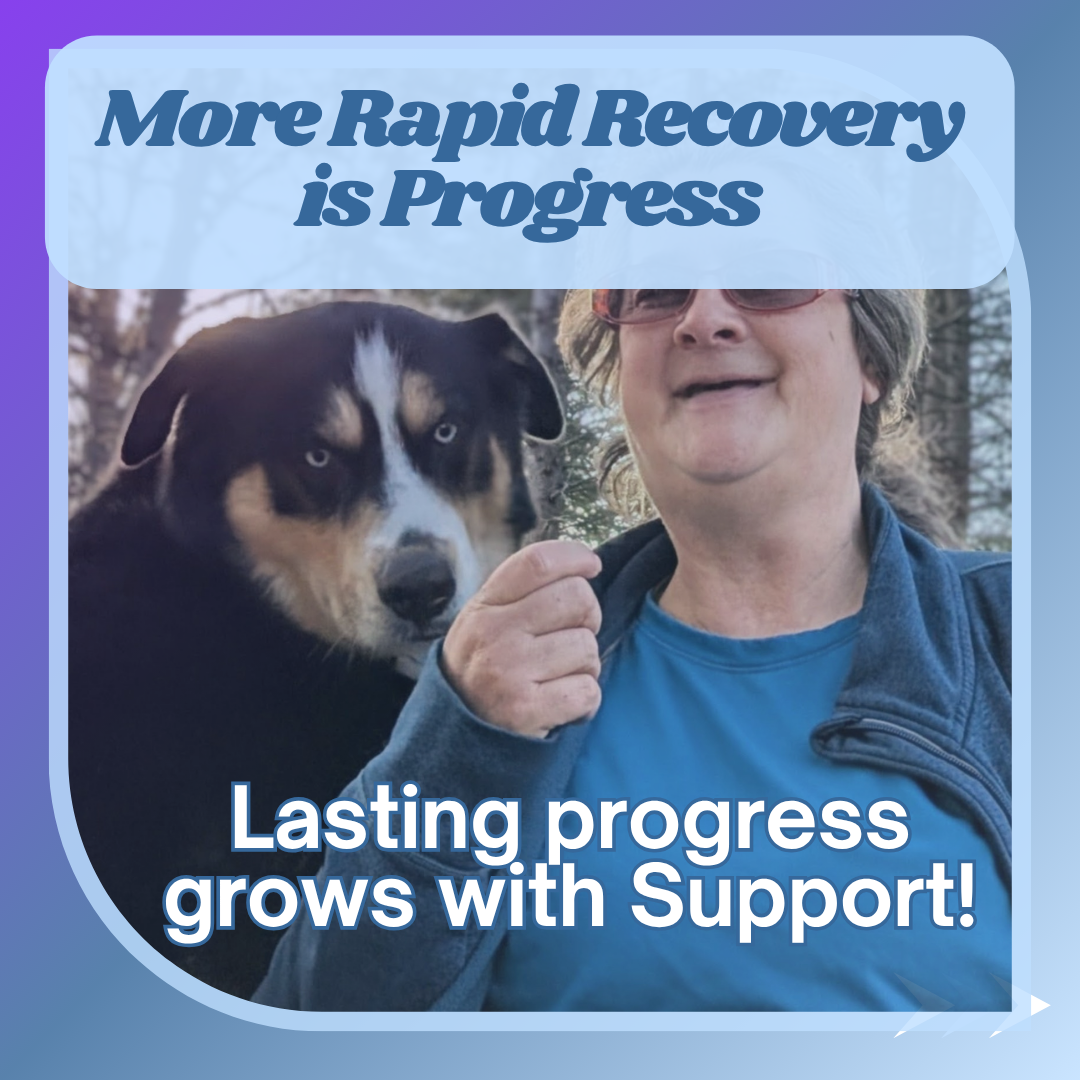
Recovery is not separate from progress. Recovery IS progress.
Distance Today Does Not Mean Distance Forever
This is the piece many dog owners fear most. You might be worrying, “If I create distance now, won’t my dog always need it?”
Not necessarily. Purposeful training means starting where success is possible.
Then over time:
confidence grows,
thinking brain stays online longer,
successful experiences build new patterns,
and distance can gradually decrease as skills improve.
This is how we create real-life success; not by flooding dogs with more than they can handle, but by building skills thoughtfully and intentionally.
A Final Thought
Sometimes the most powerful thing we can do is stop asking: “How do I make my dog handle more?”
…and start asking: “What does my dog need to succeed right now?”
Because distance is not failure. Creating space is not a weakness. And adjusting the plan does not mean giving up. It means you’re learning to support the dog in front of you with compassion, awareness, knowledge, empathy and support. That’s how we reduce pressure without losing progress. And that’s how we create better choices, stronger recovery, and lasting teamwork for both ends of the leash.